

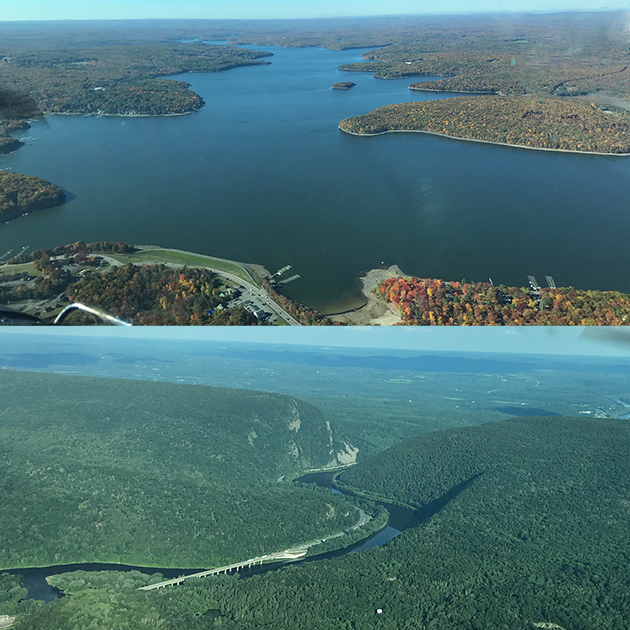






Pocono Activities: Outdoor Fun, Family Trips and Scenic Flights
Explore Pocono activities including outdoor recreation, family-friendly ideas, travel tips, and scenic airplane tours over the Pocono Mountains.

Air Charter and Airplane Tours
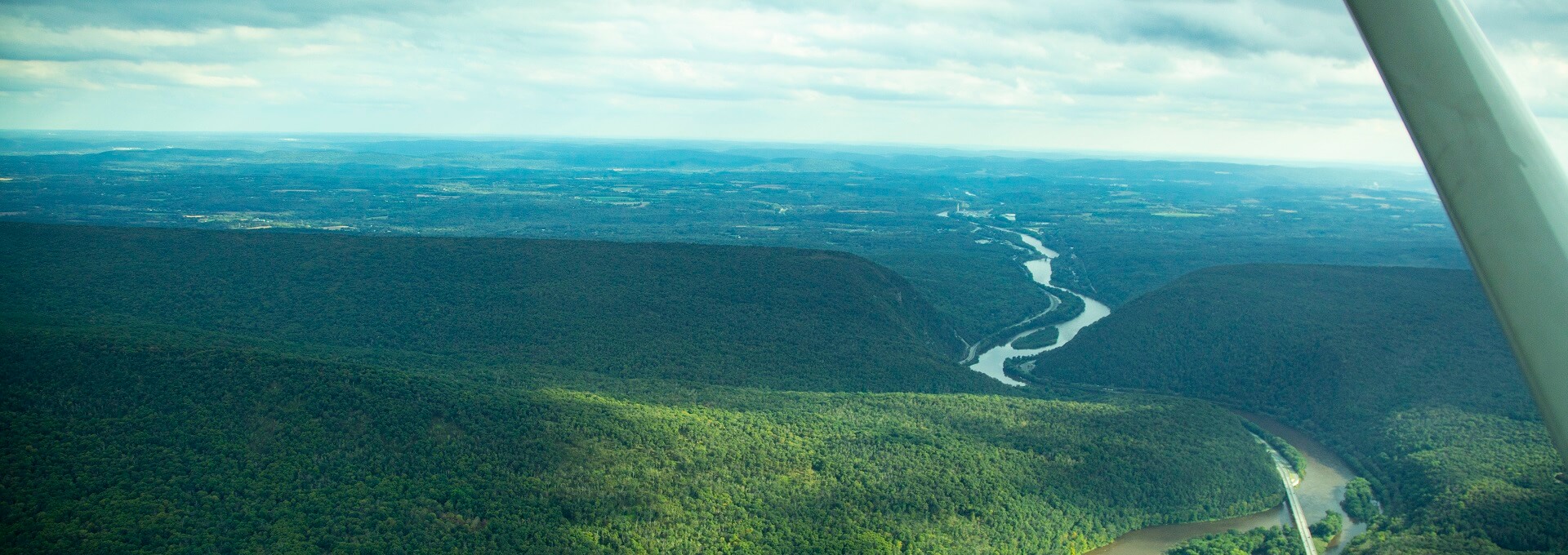
Discover the best Airplane Tours in Poconos. We offer the best quality of service.
Discover the ultimate air tours, air taxi, and air charter services, designed to provide breathtaking aerial views, seamless transportation, and private travel experiences. Whether you're looking for an exciting sightseeing adventure, a quick point-to-point flight, or a customized private charter, our aviation services offer the perfect solution.
Take your travel experience to new heights with our air tours, offering stunning panoramic views of iconic landscapes. Whether you're soaring over mountain ranges, coastal shorelines, or vibrant cityscapes, every flight provides a unique and unforgettable perspective. Our experienced pilots ensure a smooth, comfortable journey, making air tours the perfect activity for tourists, couples, and photography enthusiasts.
With various tour packages available, you can select the ideal route to explore natural wonders, famous landmarks, and hidden gems only visible from the sky. Whether it's a sunset flight, fall foliage tour, or a special occasion trip, our air tours guarantee a memorable adventure.
Need to get somewhere fast? Our air taxi service provides a quick, efficient, and hassle-free alternative to traditional ground transportation. Skip the traffic and long airport waits by booking an air taxi to your desired destination. Perfect for business travelers, weekend getaways, and last-minute trips, our air taxi flights allow you to fly on your schedule with the convenience of private aviation.
For those who demand luxury, privacy, and flexibility, our air charter service is the ideal choice. With a private charter, you decide when and where you fly, ensuring a seamless and comfortable journey tailored to your specific needs. Whether you're planning a corporate flight, family vacation, or VIP transport, our air charter service offers unmatched convenience and exclusivity.
Book your Air Tour, Air Taxi, or Air Charter today and experience the skies like never before!
Top Picks: Exclusive Offers You Don't Want to Miss
Experience breathtaking aerial views with our featured air tour offers. Whether you're looking for a quick scenic flight or an extended sightseeing adventure, we have special deals designed to provide the best value for an unforgettable experience. Our air tours showcase the most stunning landscapes, ensuring every flight is a journey to remember.
Book now and take advantage of our limited-time discounts on select air tours. Whether you want to explore majestic mountains, crystal-clear lakes, or city skylines, our discounted packages make it more affordable than ever. These offers are available for a short period, so don’t miss your chance to experience an air tour at a special rate!
Looking for a unique way to celebrate an anniversary or family outing? Our special air tour packages offer private flights for couples and families, providing an intimate and unforgettable experience. Capture stunning views and create lifelong memories with our premium air tours.
For those seeking a tailored experience, we offer customized air tour options. Whether you have a specific route in mind or want a personalized aerial experience, our team will craft the perfect tour to meet your needs.
Book your featured Air Tour today and enjoy a once-in-a-lifetime adventure in the sky!
Expert guidance, flight inspiration, and aviation knowledge.

